
If you read the newspapers, you’ll know that effluent management is one of the most important — and most closely watched — parts of dairy farming in New Zealand. When systems run well, they recycle valuable nutrients, protect waterways, and comply with resource consent conditions. When they fail, they can lead to costly clean-ups, infringement notices, or even prosecution.
The following is a list of how to avoid common failures and handy resources to support your farm’s dairy effluent system:
Fit for Purpose Effluent Storage
Across New Zealand, herd sizes and hard stand areas have increased over time. This means more effluent is being directed to your farm’s effluent system. It’s important that the size of your effluent storage pond is correct to avoid having to irrigate during wet periods and when soils are saturated.
The DairyNZ Dairy Effluent Storage Calculator (DESC) is a great tool for determining dairy effluent storage requirements for dairy farms. This takes into account specific information for your farm including herd size, the area’s rainfall, your property’s soil types and how you operate your irrigation system.
This information can inform capital planning should you need to upgrade storage to protect against winter and wet-weather risks. The DESC also demonstrates how changes in the way you operate your system will enable you to manage available storage capacity.
Irrigation When Soils Are Too Wet
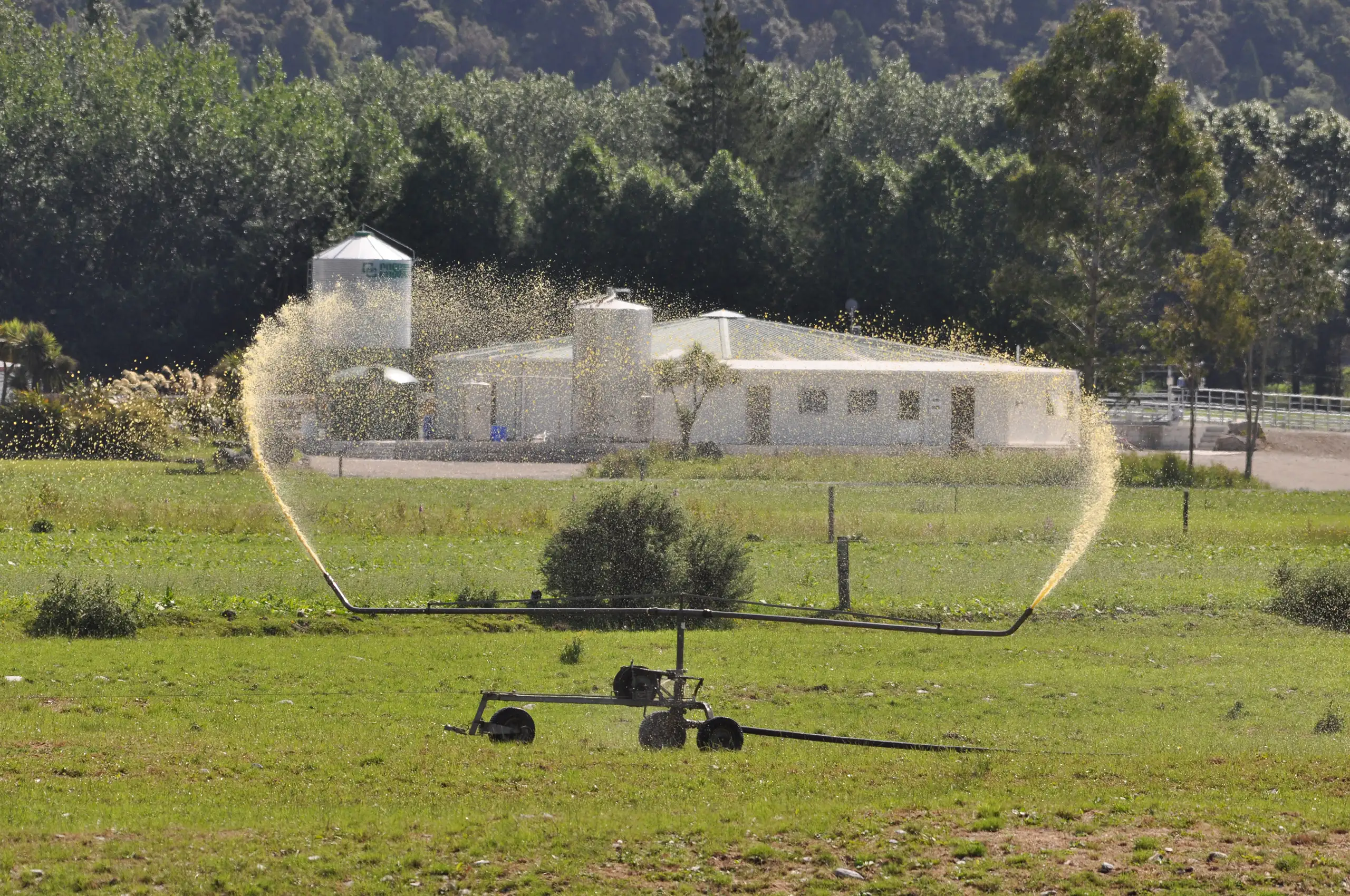
Effluent irrigation is only safe when soils have enough capacity to absorb nutrients and water. During wet winters or prolonged rain, irrigation can result in effluent runoff into waterways or increased nutrient leaching.
The good news is that you no longer need to rely on visual inspections or judgment calls to decide whether or not conditions are suitable for irrigation. Many regional councils have soil moisture monitoring stations, such as this one from Environment Southland. This information, coupled with an understanding of your soil types and the weather forecast, enables you to develop a clear framework for when irrigation should occur – or not.
Lack of System Maintenance
As with anything mechanical, effluent systems and equipment need care and regular attention. Blocked pipes or nozzles, worn-out fittings, broken pumps, or cracked hydrants are all common failure points. Having a simple checklist of regular maintenance to be completed ensures that nothing gets missed.
To help you get started, DairyNZ has a list of maintenance checklists for season start-up, regular maintenance and end-of-season.
Lack of Staff Training and Procedures
Even a well-designed system fails if operators aren’t clear on how it works. Incorrect operation of the system can also mean that you are missing out on the benefits of a well-run system, including nutrient uptake.
Common challenges include valve positions, when to move the irrigator, how to correctly set up the irrigator, and discharging when conditions aren’t suitable.
Document and take your staff through the following key points:
- How do we know if the effluent system is operating correctly?
- When should we visually inspect the irrigator?
- What does the soil moisture have to be for us to irrigate?
- When should and shouldn’t we irrigate?
- What should we do if we see the irrigator is blocked or isn’t moving?
- What should we do if a pipeline or fitting is leaking?
- What are the daily maintenance tasks for our effluent system?
Conclusion
Effluent system failures usually stem from a mix of design limitations, weather impacts, mechanical faults, and human factors. The upside? All of these are manageable with proactive maintenance, good training, appropriate storage, and modern safeguards.
Preventing problems isn’t just about compliance — it protects your land, keeps nutrients where they belong, and gives you confidence that your system is working as it should, every day.