

Improving farm environmental performance doesn’t always require big investments. In fact, many of the most effective improvements are simple, low-cost, and practical — the kinds of tweaks that fit naturally into day-to-day farm work.
Here are some fast, affordable wins that can boost your environmental performance, reduce risk, and often save money.
1. Tune Up Effluent Practices
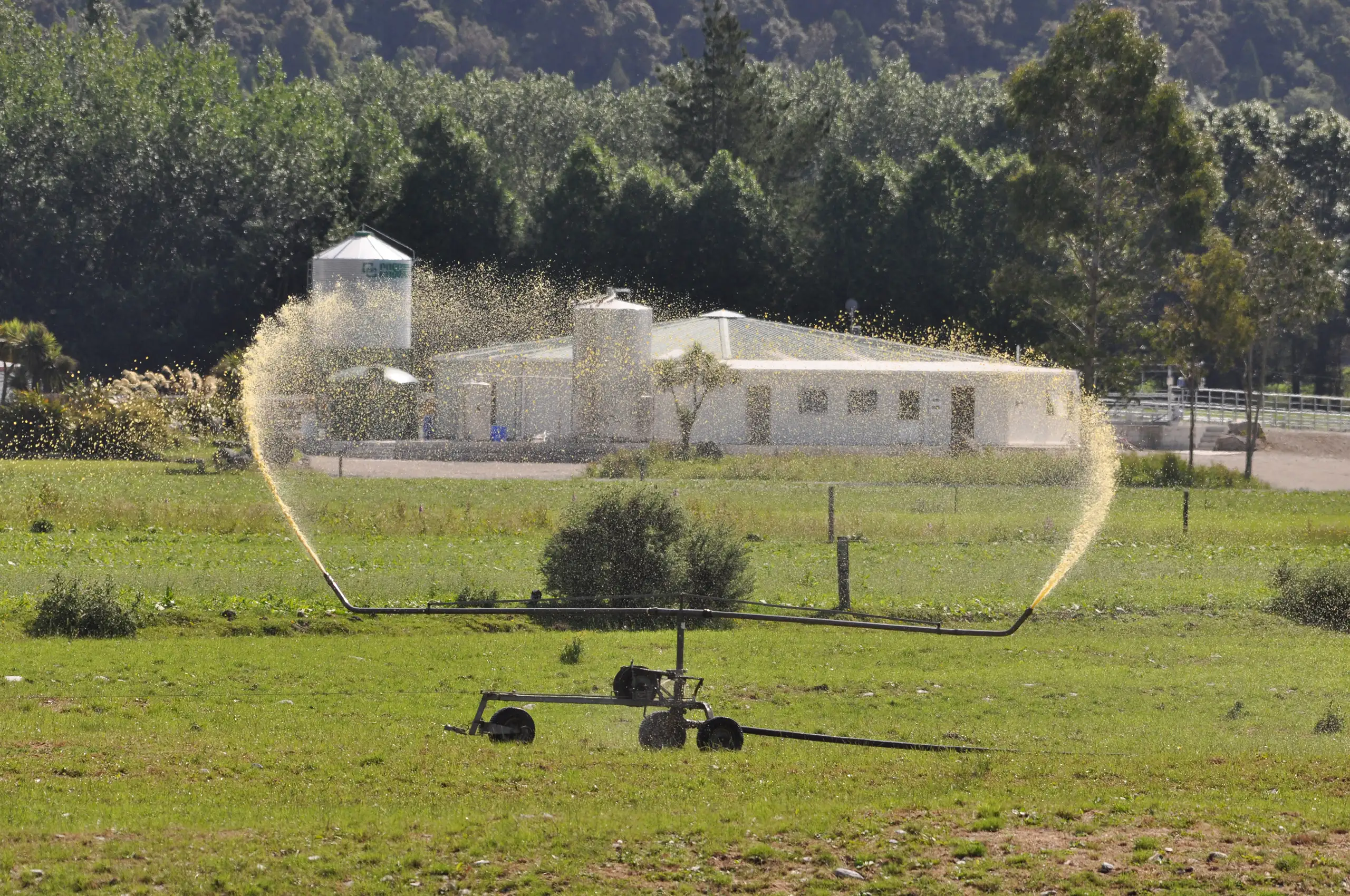
Effluent contains valuable nutrients. Using it well improves pasture and reduces fertiliser bills.
Low-cost improvements include:
- Regularly checking irrigators and hoses
- Avoiding irrigation when soils are saturated
- Using simple tools to gauge soil moisture
- Keeping basic records of where and when effluent is applied
These small steps reduce run-off, prevent failures, and maximise nutrient value.
2. Optimise Fertiliser Use
A small amount of planning goes a long way.
Quick wins:
- Use recent soil tests to guide applications
- Target fertiliser where it’s needed most
- Avoid spreading before heavy rain
- Calibrate spreaders annually
Farmers often reduce fertiliser use simply by being more precise, without compromising growth.
3. Improve Water Use Efficiency
Both stock water and irrigation systems can waste more water than we realise.
Practical ideas:
- Fix leaks early (a single leaking trough adds up fast)
- Install ballcock protectors
- Check pump pressure and efficiency
- Use simple soil moisture tools for irrigation timing
Saving water saves electricity — and reduces summer stress.
4. Protect Critical Source Areas
Critical source areas (CSAs) are small zones where run-off naturally concentrates. Protecting them delivers huge water-quality gains for very low cost.
Simple actions:
- Avoid grazing during wet periods
- Fence off if necessary
- Keep effluent and fertiliser away from CSAs
- Use buffer strips or leave grass longer in these spots
CSAs are one of the best “bang for buck” environmental improvements.
5. Plant Smart, Not Expensive
You don’t need large-scale planting to see benefits.
Try:
- Planting short riparian strips in high-runoff areas
- Focusing on erosion-prone spots
- Planting poplars or willows where slips commonly start
- Using low-cost natives and planting in stages
Targeted planting provides good environmental returns without big spending.
6. Manage Tracks, Races & High-Traffic Areas
Tracks that funnel water can carry sediment and nutrients straight into waterways.
Quick wins:
- Fix culverts or cut-outs that no longer drain well
- Add small drainage features instead of reshaping entire tracks
- Grade high-traffic areas to reduce ponding
A few hours with a digger can prevent long-term problems.
7. Improve Feed Pad and Yard Practices
Small habits make a big difference:
- Scrape solids regularly
- Keep drains clear
- Check for leaks around wash-down systems
- Divert clean stormwater away from dirty areas
These reduce effluent volumes and keep systems running smoothly.
8. Create a Simple Environmental Plan (Even a One-Pager)
An environmental plan doesn’t need to be complicated.
Include:
- Key risks
- Effluent management procedures
- Grazing rules for wet periods
- A map of waterways, CSAs, and sensitive areas
- A maintenance schedule
This helps staff stay aligned and makes audits or inspections much easier.
9. Engage Your Team
Many environmental issues are actually people issues.
Some low-cost ideas:
- Set clear expectations
- Provide quick toolbox training
- Create simple checklists (effluent, tracks, water use)
- Encourage staff to report issues early
The more eyes on the farm, the fewer problems you’ll face.
10. Celebrate Small Improvements
Environmental stewardship is a journey, not a one-time project.
Farmers who improve piece by piece often see:
- Reduced compliance risk
- Lower input costs
- Better soil and water outcomes
- Less stress during wet periods
- Improved community and processor trust
Conclusion
Environmental performance doesn’t have to be expensive. With targeted, practical improvements — many of which save money — farms can make meaningful progress without major capital outlay. The key is to focus on the high-impact, low-cost actions: better effluent use, smarter fertiliser decisions, improved water efficiency, protecting critical source areas, and simple planning.
Small steps, done consistently, build resilient, productive, environmentally strong farming systems for the long term.